
Black Friday Deals are Here! 20% Off Storewide Now Through December 1st.
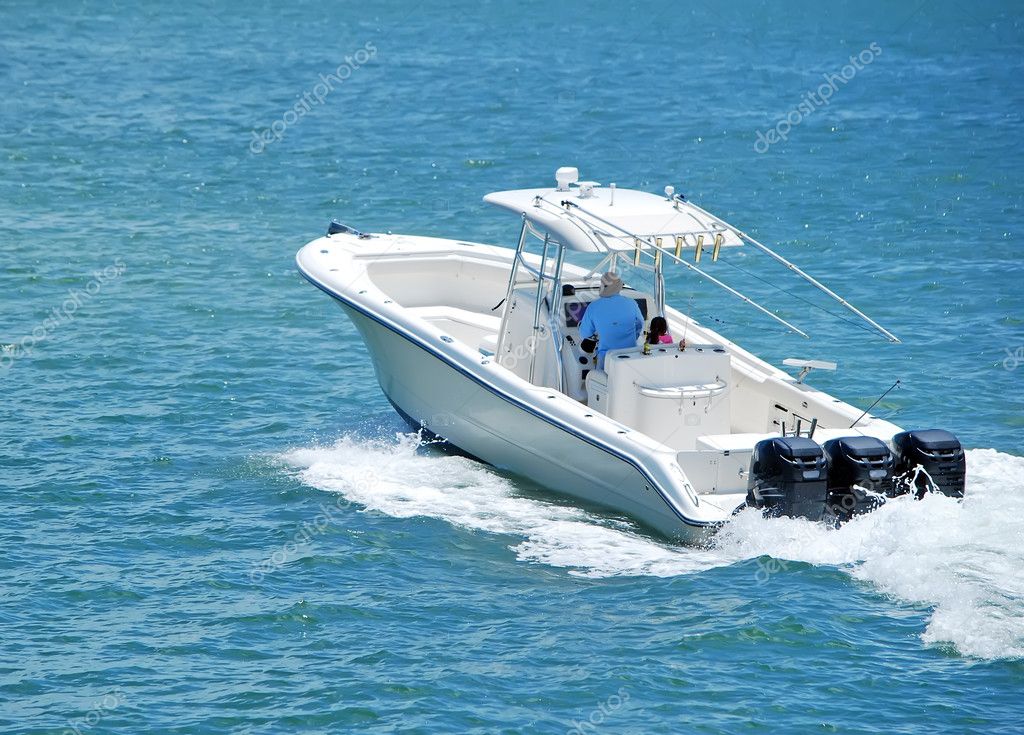
Gulf Coast Charter Services operates a fleet of twelve sportfishing vessels ranging from 35 to 65 feet, serving clients across a 200-mile coastal range. Fleet managers faced significant challenges coordinating multiple boats during peak season, responding to emergency situations, and optimizing fuel consumption across their operations.
“We needed eyes on our entire fleet at all times,” explains Captain Mike Rodriguez, Fleet Operations Manager. “When you have boats 50 miles offshore with paying customers aboard, real-time location data isn’t just convenient—it’s essential for safety and operational efficiency.”
Gulf Coast Charter implemented satellite GPS tracking devices across their entire fleet, selecting a system that provided:
Within the first season of implementation, Gulf Coast Charter documented measurable improvements across multiple operational areas. Response time to on-water emergencies decreased by 40%, as dispatchers could immediately identify the closest vessel to assist. Fuel costs dropped by 18% through route optimization and identification of inefficient operating patterns.
The geofencing feature proved particularly valuable during tournaments and busy weekends. “We can now ensure our captains are fishing in permitted areas and avoiding conflicts with other charter operations,” Rodriguez notes. “The system pays for itself just in reduced fuel costs, but the safety and coordination benefits are invaluable.”
For charter fishing operations and sportfishing vessels, satellite GPS tracking delivers immediate value through enhanced safety protocols, optimized routing, improved customer service, and reduced operational costs. The technology has become as essential as radar and radio communication for modern maritime operations.
We noticed you're visiting from Canada. We've updated our prices to Canadian dollar for your shopping convenience. Use United States (US) dollar instead. Dismiss