
Black Friday Deals are Here! 20% Off Storewide Now Through December 1st.
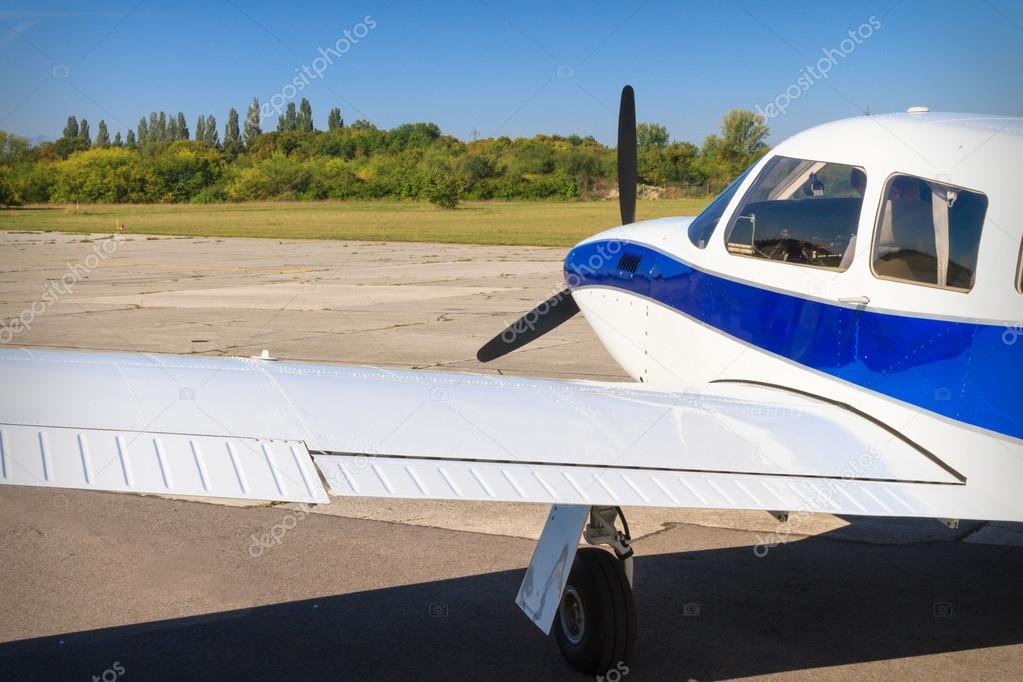
Horizon Flight Academy operates a training fleet of 18 single-engine aircraft serving student pilots, instrument rating candidates, and commercial license seekers. Chief Flight Instructor Tom Bradford faced mounting challenges tracking aircraft locations, verifying student compliance with training area restrictions, accurately billing flight time, and responding to potential emergency situations.
“In flight training, knowing exactly where your aircraft are isn’t optional,” Bradford explains. “We need real-time visibility for safety, regulatory compliance, and operational efficiency. Our old system relied on pilot self-reporting, which created gaps in our oversight.”
Horizon Flight Academy implemented satellite GPS tracking devices in each aircraft, connected to a centralized management platform that provides:
The safety benefits proved transformative. During a solo cross-country flight, the system detected an unexpected position change when a student pilot became disoriented in marginal weather. Instructors immediately established radio contact and guided the student to the nearest airport safely.
“That incident alone justified the entire investment,” Bradford notes. “We now have a safety net that wasn’t possible before. Parents of student pilots appreciate knowing we have this level of oversight.”
Flight time billing accuracy improved dramatically, eliminating disputes over Hobbs meter readings and tach time discrepancies. The automated logging system captures exact flight duration, reducing administrative workload by approximately 10 hours per week.
Maintenance scheduling became more precise through actual engine hour tracking. The academy identified that aircraft were accumulating hours 15% faster than estimated based on reservation schedules, allowing them to adjust maintenance intervals appropriately and prevent potential airworthiness issues.
Instructors discovered an unexpected benefit: using historical GPS tracks during post-flight debriefings. “We can show students exactly where they flew, how their patterns looked, and where they deviated from planned routes,” Bradford explains. “It’s become an invaluable teaching tool that accelerates learning.”
When the FAA requested documentation during a routine inspection, Horizon provided complete GPS records demonstrating training area compliance, proper flight time logging, and maintenance tracking. The inspector commended the academy’s systems and documentation practices.
For flight schools, aircraft rental operations, and general aviation fleet managers, GPS tracking technology provides essential safety oversight, operational efficiency, accurate billing, enhanced training capabilities, and regulatory compliance documentation. The technology has become a standard best practice in modern flight training operations.