
Black Friday Deals are Here! 20% Off Storewide Now Through December 1st.
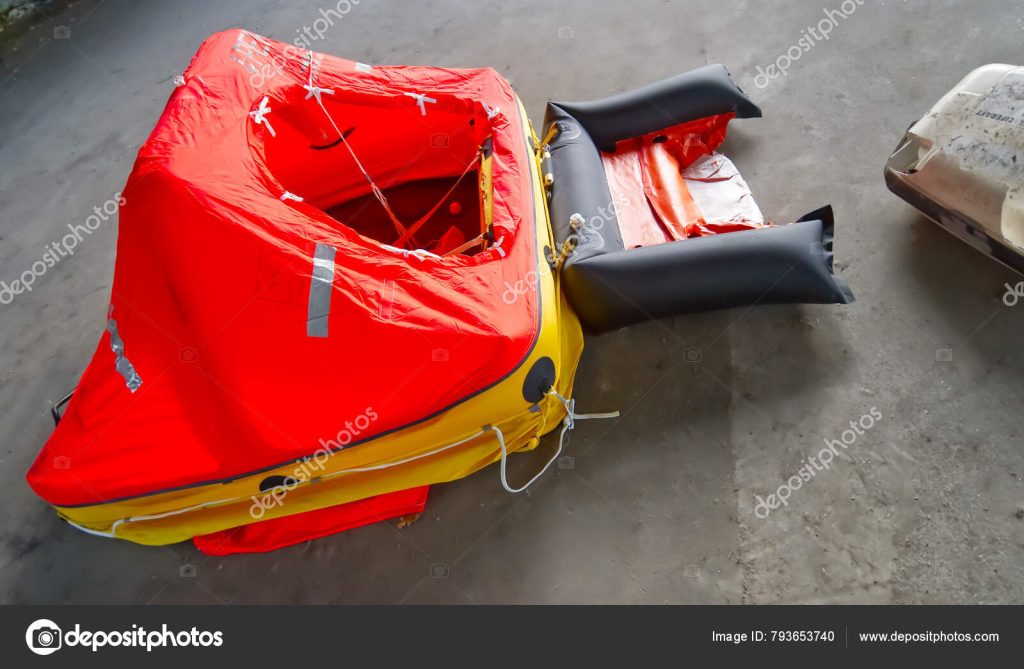
Life rafts have progressed far beyond simple inflatable platforms. Modern marine safety equipment integrates advanced materials, improved stability designs, and sophisticated survival features that significantly increase chances of successful rescue in emergency situations.
Today’s life rafts incorporate GPS tracking technology, transforming them from passive survival equipment into active rescue coordination tools that dramatically reduce search times and improve outcome statistics.
The integration of GPS tracking technology into life raft systems represents one of the most significant advances in marine safety over the past decade. When a life raft deploys, integrated GPS beacons automatically activate, transmitting position coordinates to rescue coordination centers and designated emergency contacts.
Modern GPS-enabled life raft systems provide:
Search and rescue operations historically faced significant challenges locating life rafts, particularly in rough seas, poor visibility, or when distress calls provided uncertain position information. GPS integration eliminates position uncertainty, allowing rescue assets to proceed directly to survivors.
Statistics from maritime rescue services indicate that GPS-equipped life rafts reduce average rescue times by 60-75% compared to searches based on last known vessel positions. This time reduction proves critical in survival situations where environmental exposure, injuries, or medical conditions create time-sensitive rescue requirements.
Commercial vessels operating in international waters increasingly face requirements for GPS-equipped life rafts under SOLAS (Safety of Life at Sea) conventions. While recreational vessels don’t face universal GPS integration mandates, insurance providers often offer premium reductions for vessels equipped with advanced safety systems including GPS-enabled life rafts.
When selecting life raft equipment, operators should verify compliance with relevant standards including SOLAS, ISO 9650, and Coast Guard approval ratings appropriate for their operating area and vessel type.
GPS-enabled life rafts require regular servicing to maintain certification and ensure reliable operation during emergencies. Service intervals typically occur annually or according to manufacturer specifications, with inspections covering raft integrity, inflation systems, survival equipment inventories, and GPS beacon functionality.
Proper maintenance proves essential because emergency equipment only serves its purpose when functioning reliably during actual distress situations. Deferred maintenance or expired certifications can result in equipment failure precisely when needed most.
Choosing life raft equipment requires consideration of several factors: vessel size and passenger capacity, typical operating areas and environmental conditions, regulatory requirements for the vessel’s classification, available storage space and mounting options, and budget considerations balancing initial cost against safety value.
For offshore operations, expedition cruising, or commercial applications, GPS integration represents essential safety equipment rather than optional enhancement. For coastal cruising and day sailing, GPS-equipped life rafts provide valuable additional safety margins that justify the modest cost increase over conventional equipment.
GPS-enabled life rafts function most effectively as components of complete marine safety systems. Integration with vessel monitoring systems, man overboard alarms, and automatic distress signaling creates layered safety protocols that address multiple emergency scenarios.
Modern marine safety planning emphasizes prevention, early detection, and rapid response. GPS technology supports all three objectives, providing tools that help avoid emergencies while ensuring effective response when situations demand.